
Blog
Sheetrock vs Plaster: Choosing the Right Walls for New Construction
When building a new home or undertaking a major renovation, one of the fundamental decisions you’ll face is choosing between Sheetrock (drywall) and plaster for your interior walls. Both offer distinct advantages and aesthetic qualities, impacting everything from the installation timeline to the long-term durability and feel of your living spaces.
Understanding the core differences between Sheetrock vs plaster is crucial for making an informed choice that aligns with your project goals, budget, and desired finish. This guide will explore the characteristics of each, their installation processes, and the factors to consider for new construction projects in Massachusetts.
Understanding Sheetrock (Drywall) for New Homes
Sheetrock, also commonly known as drywall or gypsum board, is the most prevalent wall material in modern new construction. It consists of gypsum plaster pressed between two sheets of thick paper, creating sturdy, uniform panels. Its widespread adoption is due to its efficiency in installation and cost-effectiveness.
Drywall comes in various types, including standard, moisture-resistant (green board), and fire-resistant (Type X), allowing builders to select the appropriate product for different areas of a home. For instance, moisture-resistant drywall is often used in bathrooms and kitchens. According to the Gypsum Association, drywall offers excellent fire resistance, with Type X gypsum board providing up to a 1-hour fire rating when installed correctly.
The installation of drywall involves screwing panels to wall studs and ceiling joists, followed by taping and mudding the seams and fastener heads. This process creates a smooth, paint-ready surface. A skilled crew can often install and finish a significant amount of drywall in a relatively short timeframe, making it ideal for projects with tight schedules. The ease of repair is another significant advantage; small holes or cracks can be patched with joint compound and sanded smooth. For new construction, this translates to faster completion and quicker occupancy for homeowners.
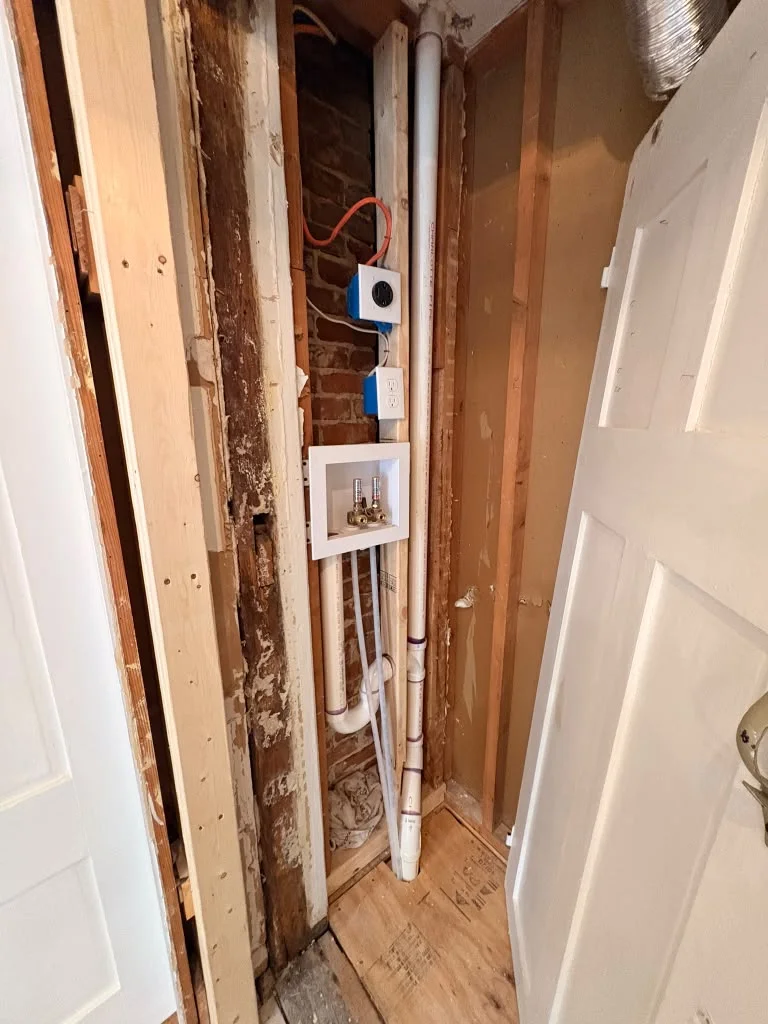
The Enduring Appeal of Plaster in Modern Construction
Plaster, a traditional wall finish, offers a distinct character and set of benefits that differ from drywall. While more common in historic homes, modern plastering techniques, including veneer plaster (applied over blueboard) and traditional three-coat plaster, are still highly valued for their superior durability, sound insulation, and luxurious finish.
Plaster walls are inherently more rigid and impact-resistant than drywall, making them less prone to dents and dings. This durability contributes to a longer lifespan; many historic homes in Massachusetts still boast original plaster walls that are over a century old, a testament to their resilience (Source: *Historic New England preservation guidelines*). Beyond structural benefits, plaster also provides excellent sound dampening properties, creating quieter interior spaces, a significant advantage for multi-story homes or busy households.
The aesthetic of plaster is often described as richer and more substantial. It can be finished to an incredibly smooth, seamless surface, or textured for a unique decorative effect, such as Venetian plaster. This versatility in finish allows for a high degree of customization and a premium feel that many homeowners seek. While the application process for professional plastering is more labor-intensive and requires specialized skills, the long-term benefits in terms of aesthetics and durability can be well worth the investment for new construction.
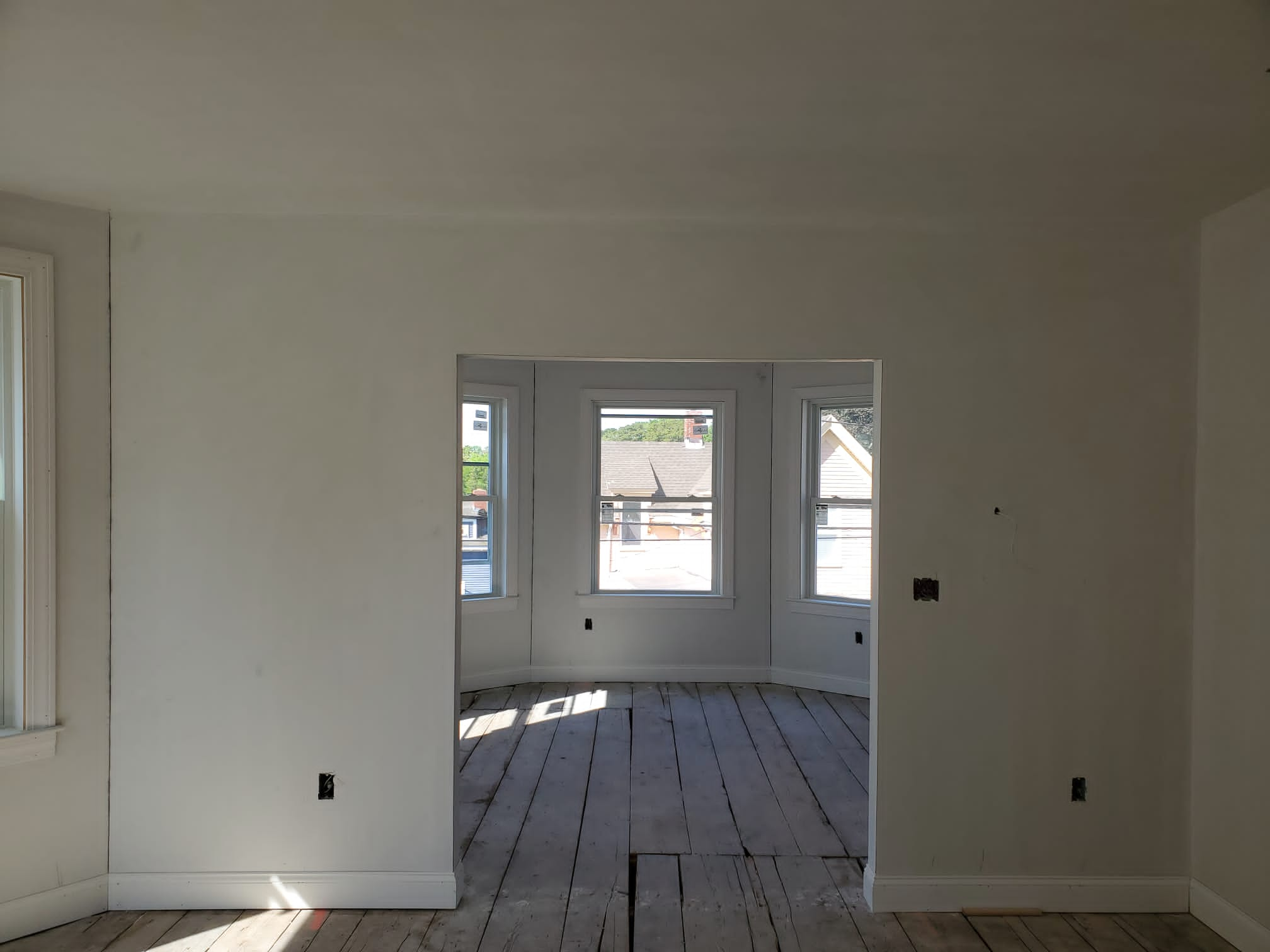
Key Differences: Sheetrock vs. Plaster for New Builds
When comparing Sheetrock vs plaster for new construction, several key factors distinguish them. Understanding these differences helps homeowners and builders prioritize what matters most for their project.
- Installation Time & Complexity: Drywall installation is generally faster, involving cutting and screwing panels, then taping and mudding. Plaster, especially traditional three-coat plaster, is a multi-step, wet application process that takes longer to dry and requires a higher level of craftsmanship. Even veneer plaster, while faster than traditional, still requires more specialized skill than drywall finishing.
- Durability & Impact Resistance: Plaster is significantly harder and more durable than drywall. It’s less susceptible to dents, scratches, and punctures. Drywall is softer and more prone to damage, though repairs are typically easier.
- Sound Insulation: Plaster, due to its density and solid mass, offers superior sound dampening compared to standard drywall. This can lead to a noticeable difference in noise transfer between rooms.
- Moisture Resistance: While specific types of drywall (green board) offer moisture resistance, plaster itself, when properly applied, can be very resistant to moisture, particularly in bathrooms and other damp areas.
- Aesthetics & Finish: Drywall provides a uniform, smooth surface that’s excellent for painting. Plaster offers a denser, more substantial feel and can achieve a wider range of finishes, from mirror-smooth to highly textured, including decorative options like Venetian plaster.
- Repair: Small drywall repairs are relatively straightforward for DIY enthusiasts. Plaster repairs, especially for larger cracks or holes, often require professional expertise to match the existing finish seamlessly.
For a deeper dive into these materials, consider reading our post on Plaster vs Drywall: What’s Right for Your North Shore Home?
Installation Process: What to Expect
The installation process for Sheetrock and plaster differs significantly, impacting project timelines and labor requirements. For new construction, understanding these steps helps in planning and scheduling.
Sheetrock Installation
The process for drywall installation begins after the framing, electrical, and plumbing are complete. Large gypsum panels are cut to size and screwed directly onto the wood or metal studs. Once all panels are in place, the joints are covered with tape and several layers of joint compound (mud). Each layer of mud requires drying time, followed by sanding to achieve a smooth, seamless surface. This process, known as “taping and finishing,” is critical for a flawless paint-ready wall. The final step involves priming and painting. A typical drywall project, from hanging to final sanding, can take a few days to a week or more, depending on the size of the area and the number of coats required (Source: *National Association of Home Builders guidelines*).
Plaster Installation
Modern plastering, particularly veneer plaster, typically starts with the installation of blueboard, a specialized gypsum board designed to bond with plaster. Unlike drywall, blueboard joints are not taped with paper tape but are often filled with a base coat of plaster. After the blueboard is secure, one or two thin coats of veneer plaster are applied over the entire surface. Traditional three-coat plaster involves a lath (wood or metal strips) as a base, followed by a scratch coat, brown coat, and a finish coat. Each plaster coat needs adequate drying time before the next can be applied, and the final curing process can take several weeks. This multi-stage, wet application contributes to plaster’s strength and unique finish but extends the overall project timeline. The skill required for smooth plaster application is considerable, which is why hiring experienced professionals is essential for quality results.
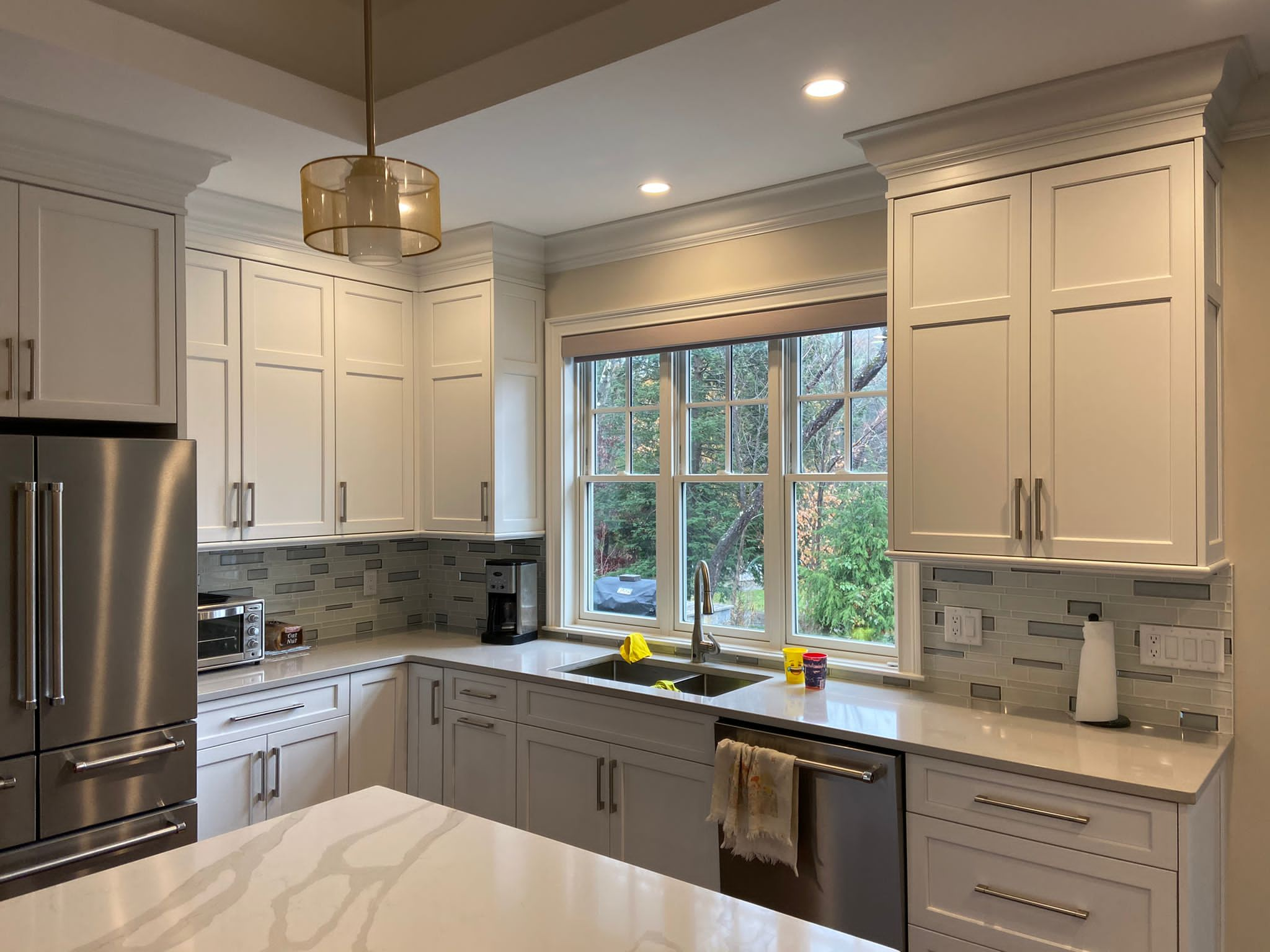
Making Your Choice: Factors to Consider
Deciding between Sheetrock and plaster for your new construction project involves weighing various factors specific to your home and preferences.
- Project Timeline: If speed is a top priority, drywall offers a faster installation and finishing process. Plaster, with its multiple coats and drying times, requires a more extended schedule.
- Desired Aesthetic: For a standard, smooth, paint-ready surface, drywall is an excellent choice. If you desire a more custom, solid, and luxurious feel, or specific decorative finishes, plaster is the superior option.
- Budget Considerations: While we never discuss specific numbers, the labor and material costs associated with plaster are generally higher due to the specialized skills and longer application process. Drywall typically offers a more economical upfront investment.
- Durability Needs: For high-traffic areas or homes where long-term resilience against impact is crucial, plaster’s inherent hardness provides a distinct advantage.
- Sound Control: If minimizing sound transfer between rooms or from outside is important, plaster’s superior acoustic properties make it a strong contender.
- Future Maintenance & Repairs: Drywall is easier and less costly to repair for minor damages. Plaster repairs, while less frequent due to its durability, often require professional help.
Consider the long-term value and the ambiance you wish to create. Both materials can provide beautiful results, but their characteristics will define the feel and performance of your new home.
Why Choose Boston Strong Plastering for Your New Construction
Whether you decide on the efficiency of Sheetrock or the classic elegance of plaster for your new construction, the quality of installation is paramount. At Boston Strong Plastering, we bring expertise in both drywall and plastering services to builders and homeowners across the North Shore. Our team is highly skilled in delivering flawless finishes, ensuring your walls are not just functional but also a beautiful canvas for your home.
We understand the nuances of each material, from the precise hanging and finishing of Sheetrock installation to the intricate multi-coat application of traditional and veneer plaster. Our commitment to quality means we use only the best materials and proven techniques, ensuring a durable and aesthetically pleasing result that will stand the test of time. As a licensed and insured business in MA, you can trust us to handle your project with professionalism and integrity, providing peace of mind from start to finish. We pride ourselves on clear communication and meticulous attention to detail, ensuring your new construction walls meet the highest standards.
FAQ
Common questions about Sheetrock vs plaster for new construction in Massachusetts.
What is the main difference between Sheetrock and plaster for new construction?
Sheetrock (drywall) is a panelized system installed with screws, then taped and mudded, known for faster installation. Plaster is a wet application process, either over lath or blueboard, known for superior durability, sound insulation, and a premium finish.
Is Sheetrock or plaster more durable?
Plaster is generally much harder and more durable than Sheetrock, making it more resistant to dents and impacts. Properly installed plaster walls can last for many decades, often exceeding the lifespan of drywall.
Which material offers better sound insulation?
Plaster typically offers better sound insulation due to its greater density and solid mass, which helps to reduce noise transmission between rooms.
Is plastering significantly slower than drywall installation?
Yes, plastering, especially traditional methods, is a more time-consuming process due to multiple wet coats and necessary drying times between applications. Even veneer plaster takes longer than standard drywall finishing.
Are you licensed and insured for new construction projects?
Yes, Boston Strong Plastering is a licensed and insured business in MA, providing professional drywall and plastering services for new construction and renovations.
Can Boston Strong Plastering help me decide between Sheetrock and plaster?
Absolutely. We offer expert consultations to discuss the specific needs of your new construction project, helping you weigh the pros and cons of Sheetrock vs plaster to make the best decision for your home.
Explore Our Services
- Professional Drywall Installation
- Expert Plastering Services
- Sheetrock Installation Services
- Plaster vs Drywall Comparison
- Drywall for New Construction
Ready to Choose Your Walls for New Construction?
Whether you’re leaning towards the modern efficiency of Sheetrock or the timeless quality of plaster, our team at Boston Strong Plastering is here to provide exceptional results for your new construction project. We are licensed and insured, ensuring a professional and reliable service. Contact us today for a consultation and a Free Estimate* to discuss how we can bring your vision to life.