
Plaster or drywall? For most North Shore homes, drywall is the faster, more affordable choice for new walls and additions, while plaster delivers a harder, more durable, more soundproof finish that suits older Salem and Marblehead homes. The right answer depends on your home’s age, your budget, and the finish you want. Here’s how a crew that has plastered and hung drywall across the North Shore for 14 years actually decides.
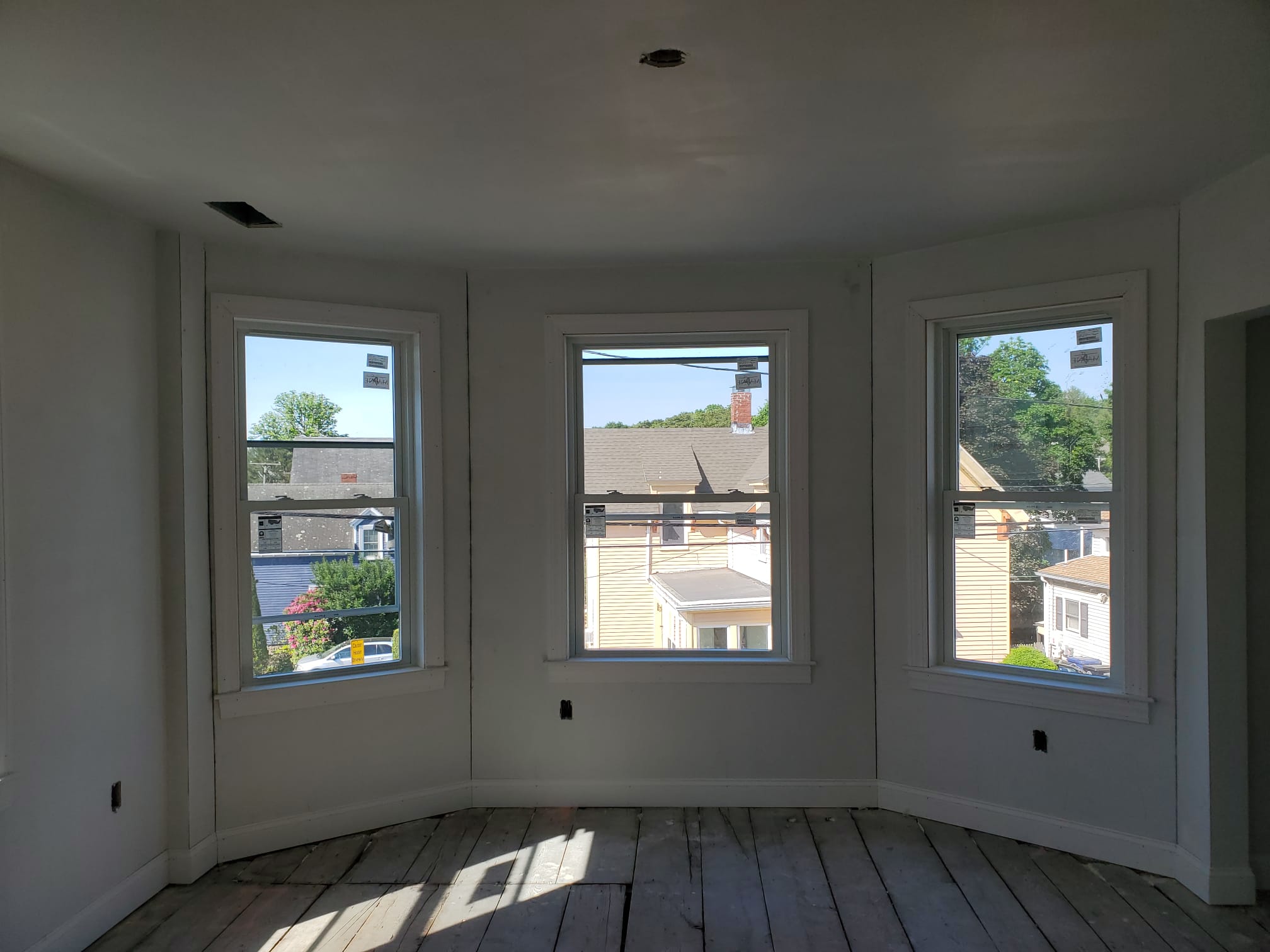
If you’ve stood in a paint aisle in Danvers wondering why your walls feel hollow in one room and rock-solid in another, you already know walls aren’t all built the same. We’re going to settle the plaster-vs-drywall question for good, walk you through the real trade-offs, and show you exactly which finish fits your project. By the end you’ll know what to ask for and why.
Plaster vs Drywall: The Short Version
Drywall (also called sheetrock) is a gypsum panel screwed to your framing, then taped, mudded, and sanded smooth. Plaster is applied wet in layers over a base, then troweled to a dense, seamless surface. Drywall is engineered for speed and cost. Plaster is built for durability, sound control, and that solid, premium feel you get in well-built older homes.
Neither is “better” in every situation. The smartest choice depends on what you’re building and the home it’s going into. For a deeper look at each method, see our plastering services and drywall installation pages.
What Is Drywall (Sheetrock)?
Drywall is the standard for new construction and remodels across Massachusetts. Panels are cut to fit, fastened to studs, and the seams are taped and finished with joint compound. After sanding and priming, you get a flat, paint-ready wall.
Why homeowners choose drywall
- Faster install. A room can be hung and finished in days, not weeks.
- Lower cost. Less labor and material than traditional plaster.
- Easy to modify. Adding outlets, recessed lights, or built-ins is straightforward.
- Consistent results. Great for additions, basements, and whole-home drywall projects in Danvers and surrounding towns.
The catch: a standard drywall finish is softer than plaster. It dents more easily, and seams can telegraph over time if the taping was rushed. Quality install work is what separates a wall that looks great in year ten from one that doesn’t.
What Is Plaster?
Plaster is applied in coats over a substrate (historically wood lath, today often blueboard) and troweled to a hard, monolithic surface. The result is denser, harder, and more sound-deadening than drywall, with a depth and feel that flat panels can’t quite match.
Why homeowners choose plaster
- Durability. A cured plaster wall is significantly harder than standard drywall and resists everyday dents.
- Sound control. The density dampens noise between rooms beautifully.
- Seamless look. No visible taped joints, just a continuous, solid surface.
- Character. Plaster matches the craftsmanship of older homes in Salem and Marblehead.
Veneer Plaster: The Best of Both Worlds
Modern veneer (skim) plaster over blueboard gives you a true plaster surface with a faster timeline than old-school three-coat work. You get the hardness and seamless feel of plaster without the multi-week schedule. For North Shore homeowners who want plaster’s quality on a remodel budget, this is often the sweet spot. It’s also the foundation for premium finishes like skim coating and decorative work.
Which Should You Choose for Your North Shore Home?
Here’s how we’d guide you:
- New addition or basement finish? Drywall is usually the practical, cost-effective call.
- Older home where you want to match existing walls? Plaster or veneer plaster keeps the home consistent and true to its build.
- Want maximum durability and sound control? Plaster wins.
- Want a flawless, modern, seamless finish on any wall? A veneer plaster or skim-coated surface delivers it.
- Need it done fast and on budget? Drywall, finished by people who actually know how to tape and sand.
The honest truth after 14 years on the North Shore: the material matters less than the crew installing it. A beautifully hung drywall wall beats a poorly applied plaster job every time, and vice versa.
Cost, Timeline, and Maintenance Compared
Most homeowners weigh three practical factors before anything else: what it costs, how long it takes, and how it holds up. Here’s the honest breakdown from 14 years of doing both.
Cost
Drywall is the budget-friendly option. Because panels go up quickly and require less skilled labor than troweling plaster, the per-square-foot cost is lower. Traditional three-coat plaster sits at the top end because it’s slow, material-heavy, and demands an experienced hand. Veneer plaster lands in the middle: more than drywall, less than full plaster, with most of plaster’s payoff. If budget is your hard limit, drywall finished well is never the wrong answer.
Timeline
A single drywall room can be hung, taped, mudded, and sanded in a matter of days. Traditional plaster needs time for each coat to cure, stretching the schedule into weeks. Veneer plaster, again, splits the difference, close to drywall speed with a plaster result. On a whole-home remodel, that timeline difference adds up fast, so it’s worth deciding early.
Maintenance and longevity
Cured plaster is hard. It shrugs off the everyday knocks, doorknob dings, and furniture bumps that dent standard drywall. When drywall does get damaged, though, it’s quick and inexpensive to bring back to new. Plaster repairs are more specialized but far less frequent. Over the life of a home, both can look beautiful for decades, the difference is how often you’ll think about them.
Common Myths We Hear on the North Shore
- “Plaster is outdated.” Not even close. Modern veneer plaster and decorative finishes are some of the most requested upgrades in high-end homes today.
- “Drywall is cheap and looks cheap.” Drywall looks exactly as good as the crew finishing it. A Level 5 skim-coated drywall wall is flawless.
- “You can’t mix the two.” You can, and smart remodels often do, drywall where speed and budget matter, plaster where durability and feel matter most.
- “My old home has to have plaster.” Matching the existing walls usually points to plaster, but it’s a design and budget call, not a hard rule.
The point is simple: don’t let a myth pick your walls. Pick based on the room, the home, and the result you want.
Frequently Asked Questions
Is plaster more expensive than drywall?
Yes, traditional plaster typically costs more than drywall because it’s more labor-intensive and takes longer to cure. Veneer plaster narrows that gap while keeping most of plaster’s benefits.
Can you put plaster over existing drywall?
In many cases, yes. A skim coat or veneer plaster can be applied over sound drywall to upgrade the look and durability. We assess each wall before recommending it.
Which is better for an older Salem or Marblehead home?
Plaster or veneer plaster usually fits older homes best, both to match existing walls and to preserve the home’s solid, original character.
How long does a plaster wall take to finish?
Veneer plaster can be completed in a similar timeframe to drywall, while traditional three-coat plaster takes longer to cure. We’ll give you a clear schedule before we start.
Ready to Build Walls That Last?
Whether you want fast, clean drywall or the durability and beauty of true plaster, Boston Strong Plastering has finished walls across the North Shore for 14 years. Contact us or call (833) 385-4542 for a free consultation.