
Blog
Tile Installation in Peabody, MA: Kitchens, Baths & Beyond
Considering a tile installation in Peabody, MA? Tile offers a durable, beautiful, and versatile surface solution for kitchens, bathrooms, entryways, and even outdoor spaces. From sleek porcelain to classic ceramic or natural stone, the right tile can transform the aesthetics and functionality of any area in your home.
This guide covers everything you need to know about choosing the right tile, understanding the installation process, and ensuring a long-lasting finish for your Peabody home. We’ll also highlight why professional installation is key to avoiding common pitfalls and maximizing your investment.
Understanding Tile Installation in Peabody, MA
Tile installation is more than just laying down squares; it’s a precise craft that requires proper surface preparation, skilled cutting, and meticulous grouting to ensure a flawless and durable finish. In Peabody, MA, where homes range from historic to modern, understanding the nuances of tile types and installation methods is crucial for a successful project.
The specific conditions of a Peabody home, such as subfloor stability, moisture exposure, and existing wall finishes, all play a role in determining the best approach. For example, a bathroom remodel will demand different waterproofing considerations than a kitchen backsplash. A professional tile installer assesses these factors to recommend the most appropriate materials and techniques.
Popular Tile Types for Peabody Homes
Choosing the right tile involves balancing aesthetics, durability, and maintenance. Here are some popular options homeowners in Peabody often consider:
Ceramic Tile
- Versatility: Ceramic is one of the most popular choices due to its wide range of colors, patterns, and sizes. It’s suitable for floors, walls, and backsplashes.
- Durability: Generally durable and resistant to moisture, making it ideal for bathrooms and kitchens.
- Cost-Effective: Often more affordable than other tile types, with typical national installation costs ranging from $10–$15 per square foot*.
Porcelain Tile
- High Durability: Porcelain is denser and less porous than ceramic, making it extremely resistant to water, stains, and heavy foot traffic. It’s an excellent choice for high-traffic areas and wet environments.
- Appearance: Can mimic natural stone, wood, or concrete, offering sophisticated designs.
- Installation: Requires specialized tools and expertise due to its hardness. Installation costs typically range from $12–$20 per square foot* nationally.
Natural Stone Tile (Marble, Granite, Travertine, Slate)
- Luxury Appeal: Offers unique patterns and a timeless, luxurious aesthetic.
- Durability: Varies by stone type; generally very durable but may require sealing to prevent staining and moisture absorption.
- Maintenance: Requires more specific cleaning and sealing compared to ceramic or porcelain. National installation costs can range from $25–$50 per square foot* or more, depending on the stone and complexity.
Glass Tile
- Aesthetics: Perfect for backsplashes and accent walls, providing a reflective, modern look.
- Maintenance: Easy to clean and resistant to stains.
- Installation: Can be challenging to install without visible grout lines or adhesive marks, often requiring an experienced hand.
*Pricing varies based on project scope, materials selected, and site conditions. Contact us for a personalized estimate.
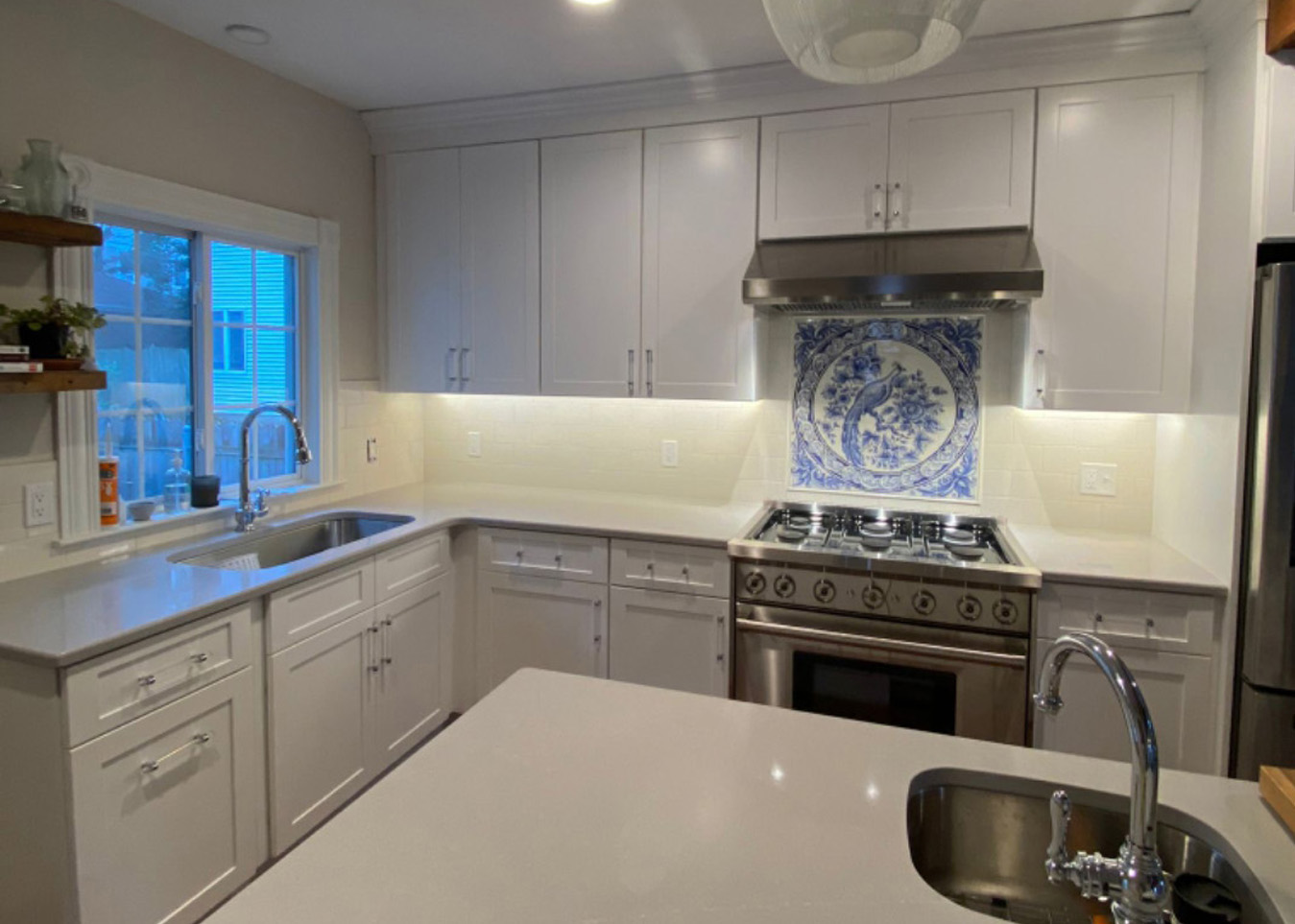
The Professional Tile Installation Process
A successful tile installation follows a structured process, ensuring longevity and a beautiful finish. Here’s what you can expect from our professional tile installation services:
1. Initial Consultation and Design
We start with an on-site consultation to discuss your vision, assess the existing space, and help you select the best tile type, color, and pattern for your Peabody home. We consider factors like room usage, traffic, moisture exposure, and your aesthetic preferences.
2. Surface Preparation
This is arguably the most critical step. The subfloor or wall surface must be clean, dry, level, and structurally sound. For floors, this may involve installing a cement backer board or self-leveling compound. In wet areas like bathrooms, proper waterproofing membranes are essential to prevent moisture damage and mold growth. According to the Tile Council of North America (TCNA), proper substrate preparation is key to preventing common tile failures.
3. Layout and Dry Fitting
Before applying adhesive, tiles are dry-fitted to plan the layout, minimize cuts, and ensure a balanced pattern. This step is crucial for achieving a symmetrical and aesthetically pleasing result, especially in irregularly shaped rooms or with intricate tile designs.
4. Adhesive Application and Tile Setting
Using high-quality thin-set mortar, each tile is carefully set, ensuring full coverage and proper alignment. Spacers are used to maintain consistent grout lines. This step requires precision and attention to detail to prevent lippage (uneven tile edges) and ensure a flat surface.
5. Grouting and Sealing
Once the adhesive cures, grout is applied to fill the spaces between tiles, providing structural integrity and moisture resistance. Excess grout is cleaned, and the area is allowed to dry. For porous tiles like natural stone, a sealant is applied to protect against stains and water penetration.
6. Final Cleaning and Inspection
The final step involves a thorough cleaning of the tiled surface and a comprehensive inspection to ensure every detail meets our high standards and your complete satisfaction.

Benefits of Professional Tile Installation
While DIY tile projects might seem appealing, professional installation offers significant advantages that ultimately save you time, money, and hassle.
Expertise and Experience
Professional tile installers have the knowledge and experience to handle complex layouts, various tile materials, and unexpected challenges. They understand proper substrate preparation, which is critical for preventing common issues like cracking, loosening, or moisture damage. According to industry statistics, improperly installed tile can lead to costly repairs within 3-5 years, whereas professionally installed tile can last 20 years or more.
Quality Workmanship
From perfectly even grout lines to precise cuts around obstacles, professional installers deliver a superior finish. This attention to detail ensures your tile looks fantastic and performs optimally for years to come.
Correct Tools and Materials
Professionals use specialized tools and high-quality adhesives, grouts, and sealants that are appropriate for your specific tile type and application. This not only enhances durability but also ensures the longevity of your investment.
Efficiency and Timeliness
An experienced team can complete the project much faster and more efficiently than a DIY enthusiast, minimizing disruption to your daily life.
Warranty and Peace of Mind
Reputable tile contractors, like Boston Strong Plastering, stand behind their work with warranties, providing you with peace of mind that your investment is protected. We are a licensed and insured contractor in MA, ensuring your project is handled professionally.
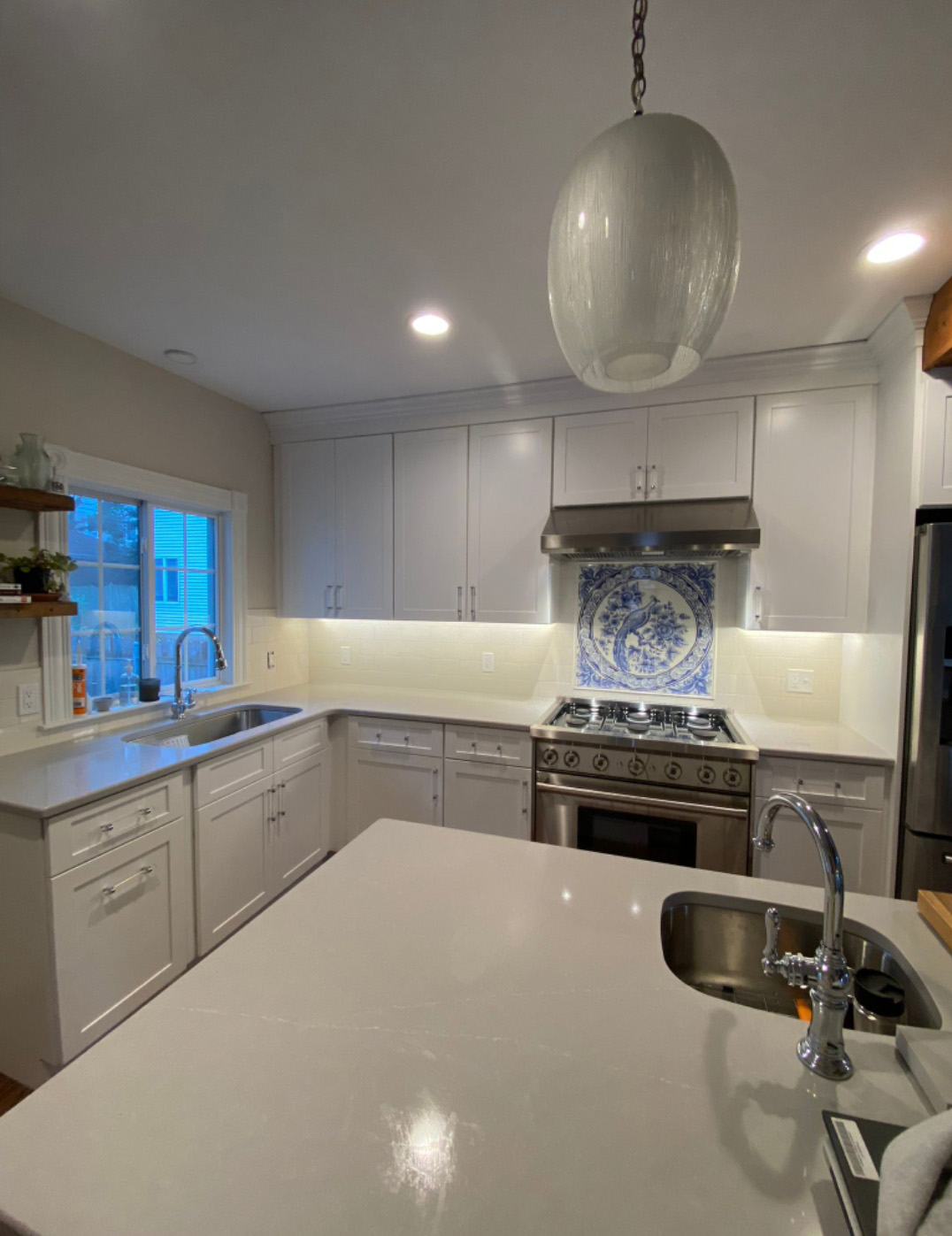
Cost Factors for Tile Installation*
The cost of tile installation in Peabody, MA, can vary widely based on several factors. Understanding these can help you budget accurately for your project.
Tile Material
As discussed, ceramic is generally less expensive than porcelain, which in turn is more affordable than natural stone or specialty tiles like glass or handmade options. Material cost can range from $2–$20 per square foot* for basic options to $50+ per square foot* for high-end materials.
Area Size and Complexity
Larger areas typically have a lower per-square-foot installation cost. However, intricate designs, small spaces (like shower niches), multiple corners, or unusual angles increase labor costs.
Surface Preparation
If the existing surface requires extensive preparation, such as leveling, subfloor repair, or additional waterproofing, this will add to the overall cost. Removing old flooring or wall coverings also contributes to preparation expenses.
Labor Costs
Professional labor rates reflect the skill, experience, and efficiency of the installers. While tempting to choose the cheapest bid, remember that quality workmanship prevents costly repairs down the line. National average labor rates for tile installation can range from $8–$25 per square foot*, but can go higher for complex jobs.
Additional Materials
This includes the cost of thin-set mortar, grout, sealants, backer board, and any transition strips or trim pieces needed to complete the project.
*Pricing varies based on project scope, materials selected, and site conditions. Contact us for a personalized estimate.
Why Choose Boston Strong Plastering for Your Peabody Tile Project?
At Boston Strong Plastering, we bring a commitment to quality and craftsmanship to every tile installation in Peabody, MA. Our team understands the unique needs of local homes and delivers exceptional results that stand the test of time.
- Experienced Professionals: Our skilled installers are experts in all types of tile, from basic ceramic to intricate natural stone.
- Quality Materials: We use only premium materials and proven techniques to ensure a durable and beautiful finish.
- Customer Satisfaction: We pride ourselves on clear communication, transparent pricing, and exceeding client expectations.
- Comprehensive Services: Beyond tile, we offer a full range of interior finishing services, including plastering and drywall, making us a one-stop solution for your renovation needs.
FAQ
Common questions about tile installation in Peabody, MA.
How long does a typical tile installation take?
The duration depends on the size and complexity of the area, the type of tile, and the amount of surface preparation required. A small bathroom floor might take 1-2 days, while a large kitchen or multiple areas could take a week or more.
Can you install tile over existing flooring?
In some cases, yes, but it depends on the condition and type of existing floor. It’s crucial that the existing surface is stable, level, and clean. Often, removing the old flooring and preparing the subfloor is the best approach for a long-lasting result.
What is the best tile for a bathroom floor?
Porcelain tile is highly recommended for bathroom floors due to its exceptional water resistance, durability, and slip resistance when textured. Ceramic tile is also a good, more budget-friendly option.
How much does tile installation in Peabody, MA, typically cost?
Costs vary significantly based on tile material (ceramic, porcelain, stone), project size, complexity, and surface preparation needed. For an accurate estimate, we recommend scheduling a Free Estimate* to assess your specific project.
Are you licensed and insured for tile installation in MA?
Yes, Boston Strong Plastering is fully licensed and insured in Massachusetts. This ensures your project is protected and adheres to all local regulations.
Do I need to seal my tile after installation?
It depends on the tile type. Natural stone tiles (like marble, granite, travertine) and unglazed porcelain or ceramic tiles typically require sealing to protect against stains and moisture. Glazed ceramic and porcelain tiles usually do not need sealing. Your installer can advise you on specific sealing needs.
Explore Our Services
Ready for Beautiful New Tile in Your Peabody Home?
If you’re looking for expert tile installation in Peabody, MA, trust the professionals at Boston Strong Plastering. We’re committed to delivering high-quality results that enhance the beauty and value of your home. Contact us today for a Free Estimate* and let’s bring your vision to life.
Have questions or prefer to speak directly? +1 (508) 689-8709