
Plastering a historic home in Salem or Marblehead means matching original materials and techniques so new work blends seamlessly with centuries-old walls, preserving the home’s character and protecting its value. It’s specialized work: traditional lime and veneer plaster, careful color and texture matching, and a respect for how these homes were built. Done right, it’s one of the smartest investments a North Shore homeowner can make.
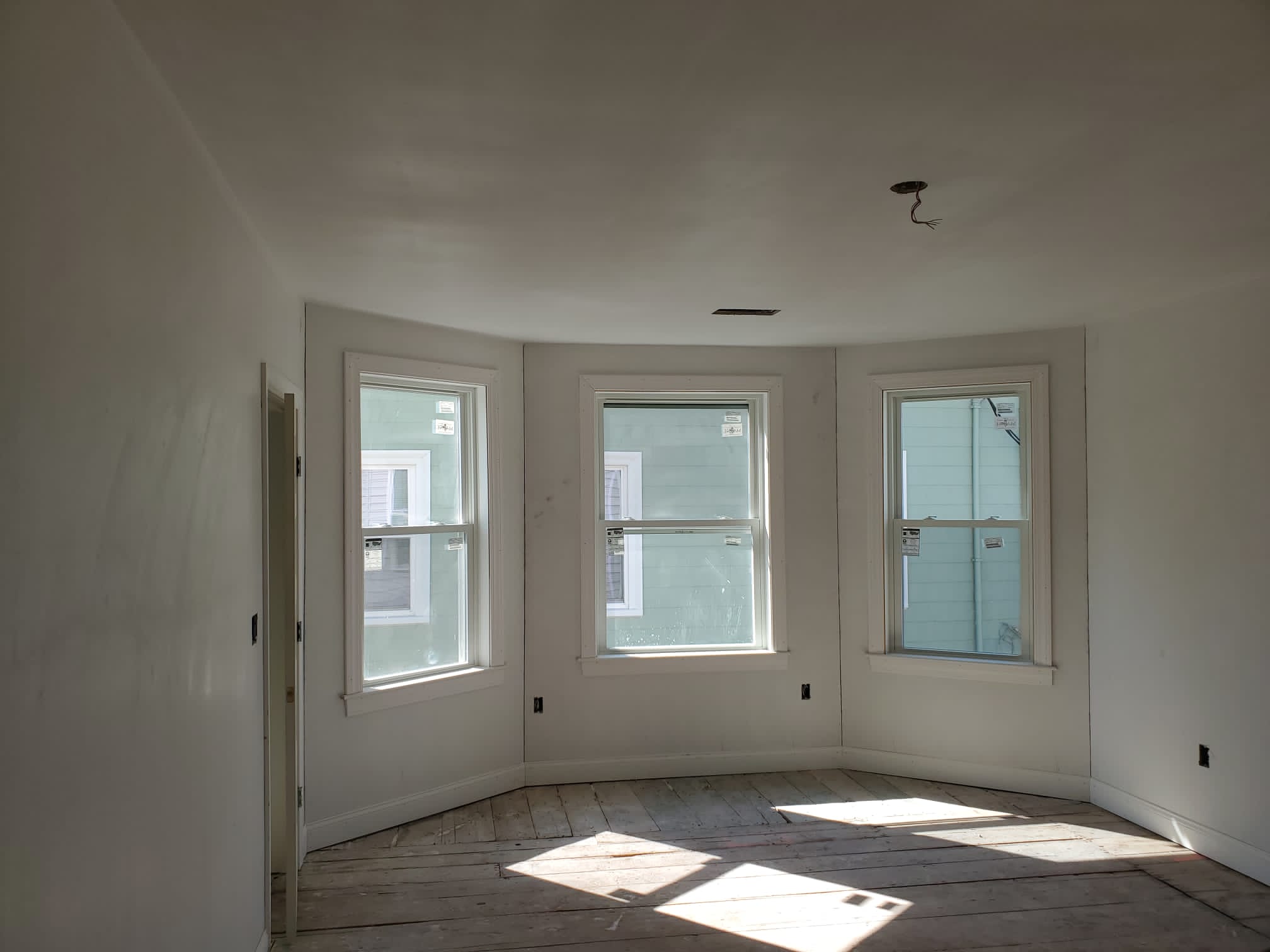
Own a piece of New England history? Then you already know these homes have a soul that newer construction can’t replicate, and walls that demand more than a standard contractor’s approach. We’re going to walk through what makes historic plastering different, why the wrong fix can quietly hurt your home, and how craftsmanship preserves both character and value. By the end you’ll know how to protect what makes your home special.
Why Historic Homes Need Specialized Plastering
The homes of Salem and Marblehead were built with traditional plaster over wood lath, materials that breathe and move differently than modern drywall. When that original plaster needs work, slapping up drywall or the wrong compound creates mismatched surfaces, telegraphing seams, and a finish that simply looks wrong next to the original.
True historic plastering work matches the existing wall’s profile, texture, and feel so new and old become indistinguishable. That’s the difference between a home that reads as authentic and one that looks patched.
The Craftsmanship Behind Historic Plaster
Reading the existing wall
Every historic wall tells a story, its thickness, the lath behind it, the way it was originally floated and finished. We start by understanding what’s there so new work integrates instead of fighting it.
Matching materials and technique
The right approach uses compatible plaster systems and traditional troweling techniques. The goal is a wall that behaves like the original and ages alongside it.
Blending texture and finish
Older homes have subtle hand-floated character. Recreating that, rather than leaving a too-perfect modern patch, is what makes the work disappear into the wall.
Decorative and premium finishes
Many historic and high-end homes call for decorative wall finishes in Marblehead like Venetian plaster, which echo the craftsmanship these homes were built with.
How Quality Plastering Adds Value
- Preserves authenticity. Buyers in Salem and Marblehead pay a premium for homes that retain their original character.
- Protects the structure. Properly finished walls keep the home’s interior sound and looking its best.
- Elevates the whole home. Flawless walls make every room, and every future renovation, look intentional and high-end.
- Avoids costly redo’s. Work done correctly the first time, by craftsmen who understand these homes, lasts.
We do this work throughout the area, including dedicated plastering and premium wall finishes in Salem.
Old Home, Modern Comfort
Preserving character doesn’t mean living with cracked or tired walls. A historic home can keep every bit of its soul while getting smooth, beautiful, durable surfaces. Whether you want to restore original plaster, add a decorative feature wall, or pair plaster with updated painting and carpentry, the result should feel timeless, not renovated.
Beyond Salem and Marblehead
While Salem and Marblehead hold some of the region’s most beautiful historic homes, the North Shore is full of older properties that deserve the same care. From the antique homes of Newburyport to the established neighborhoods of Andover, the principles are the same: understand how the home was built, match the existing walls, and finish with craftsmanship that respects its age. Each town and each home has its own character, and our approach adapts to it. What stays constant is the commitment to making new work disappear into the old, so the home reads as authentic and cared-for, never patched or modernized in the wrong way.
Why Experience Matters Here
Here’s the truth after 14 years on the North Shore: historic plastering is where shortcuts show up fastest. These walls don’t forgive the wrong material or a heavy hand. Knowing how an 18th- or 19th-century wall was built, and how to make new plaster live happily next to it, only comes from doing the work, over and over, on exactly these homes. That’s the craftsmanship Salem and Marblehead homeowners are really hiring.
Decorative Plaster: A Tradition Worth Reviving
Historic New England homes were often finished with a level of craftsmanship that’s rare today, smooth, hand-floated plaster, and in finer homes, decorative work. Reviving that tradition is one of the most satisfying parts of what we do. A Venetian plaster feature wall in a Salem dining room or a polished plaster finish in a Marblehead entry doesn’t just restore the home, it elevates it. These finishes carry depth, subtle movement, and a sheen that paint can’t imitate, the same qualities the original builders prized. For homeowners who want their historic home to feel both authentic and luxurious, decorative plaster bridges the centuries beautifully.
Common Issues in Older Plaster Walls
Before any new work, it helps to understand what older walls commonly show, and what each sign means:
- Hairline surface cracks. Often cosmetic, the result of a century of seasonal movement. The right approach addresses them so they don’t return through new finish.
- Uneven, wavy surfaces. Original hand-floated walls have character, but heavy unevenness can be brought back to a clean, intentional finish while keeping the home’s feel.
- Mismatched past patches. Previous quick fixes with the wrong material stand out. Re-finishing blends them back into the wall.
- Tired, dated surfaces. Sometimes the plaster is sound but simply looks worn. A fresh skim or decorative finish renews it without losing authenticity.
Reading these correctly is half the job. The fix should always respect how the home was built rather than fight it.
Working Respectfully in a Lived-In Historic Home
Most of these homes are occupied, often by owners who care deeply about them. That shapes how we work: careful protection of original floors, trim, and details; clean, contained job sites; and a pace that respects the home rather than rushing through it. Plastering a historic home isn’t just a technical job, it’s stewardship. We pair this work with sympathetic painting and carpentry when a project calls for it, so the whole interior comes together as one cohesive, period-respecting result.
Frequently Asked Questions
Can you plaster over original lath in a historic home?
In many cases yes, the goal is to work with the home’s original construction and match the existing wall system so new and old plaster integrate seamlessly. We assess each wall before recommending an approach.
Is plaster better than drywall for an old home?
For preserving character and matching existing walls, plaster or veneer plaster is usually the right choice. It maintains the solid, authentic feel these homes are known for.
Will new plaster match my old walls?
That’s the entire goal. By matching profile, texture, and finish, skilled plastering makes new work blend into the original so you can’t tell where one ends and the other begins.
Does quality plastering increase home value?
In historic markets like Salem and Marblehead, preserving authentic finishes is a strong selling point, and flawless walls elevate the perceived quality of the entire home.
Preserve Your Home’s Character
Your historic home deserves craftsmanship that honors how it was built. Boston Strong Plastering has plastered homes across Salem, Marblehead, and the North Shore for 14 years. Contact us or call (833) 385-4542 to discuss your project.